Trauma Counseling in Englewood, FL
Healing from trauma starts with feeling safe.
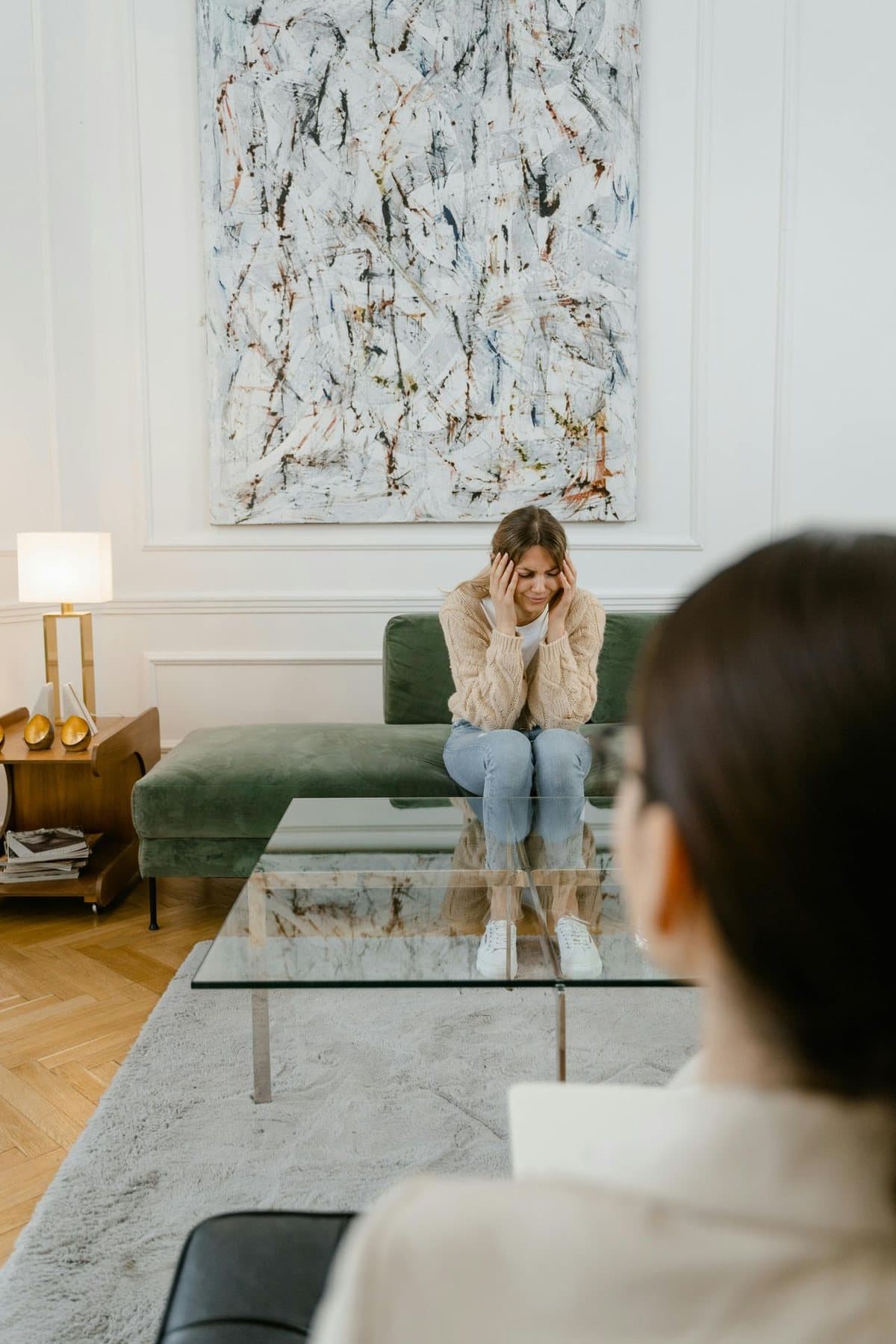
Trauma can affect every part of life. It can influence how you think, how you feel, how you respond to stress, and how you connect with other people. Even when difficult experiences happened years ago, the effects can remain long after the event itself has ended.
Many people are surprised to learn that trauma doesn't always look the way they expect. Some experience anxiety, emotional numbness, difficulty trusting others, irritability, sleep problems, or the feeling of always being on guard.
We provide compassionate, trauma-informed counseling designed to help you better understand your experiences, regain a sense of control, and move forward with greater confidence and hope.
Approach
Trauma-informed, paced by you
Specialized training
Cortina Method
Format
In-person & telehealth
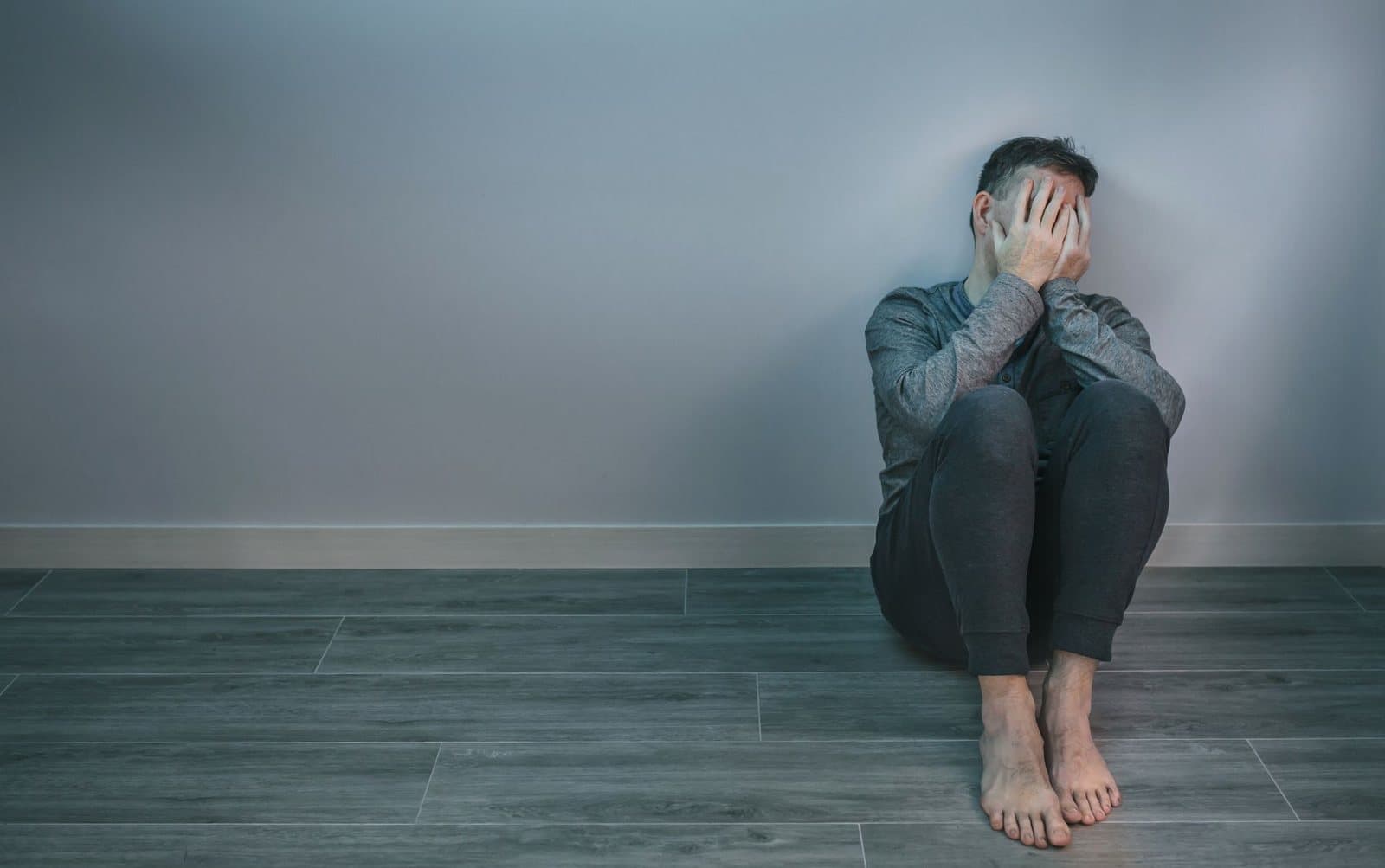
Trauma affects more than memories
- Constant worry or anxiety
- Difficulty relaxing or feeling safe
- Feeling emotionally overwhelmed
- Irritability or anger
- Sleep disturbances and nightmares
- Avoidance of certain places or situations
- Difficulty trusting others
- Feeling disconnected or emotionally numb
Trauma looks different for everyone
Trauma is not simply about what happened. It is also about how your mind and body learned to respond in order to protect you. Those responses are often signs of a nervous system that has learned to stay alert for danger, even when you are safe.
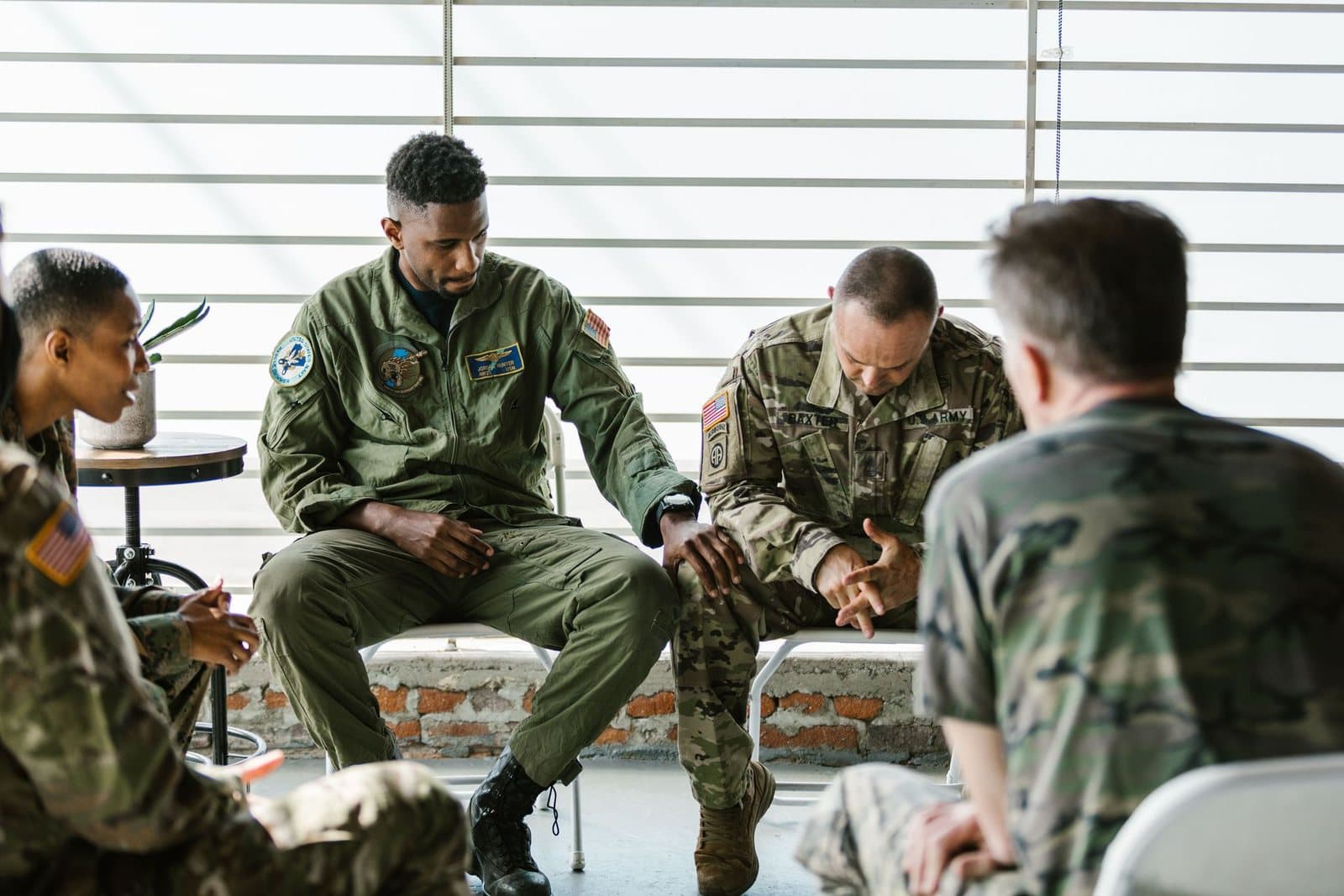
Trauma can result from childhood experiences, abuse or neglect, relationship trauma, medical trauma, accidents or injuries, military service, grief and loss, exposure to violence, significant life changes, or chronic stress over time. Some people recognize the connection immediately. Others don't realize the impact until years later. Regardless of how trauma developed, healing is possible.
Processing trauma without reliving it
Clinical Director Jerry Kuhn is trained in the Cortina Method for Trauma Resolution, an approach designed to help people process traumatic experiences without having to repeatedly relive painful memories.
We provide a safe, supportive environment where you can explore difficult experiences at your own pace, without feeling pressured to revisit painful memories before you're ready. Treatment is tailored to your experiences, goals, and needs: building resilience, improving emotional regulation, and strengthening coping skills.
Healing doesn't mean forgetting
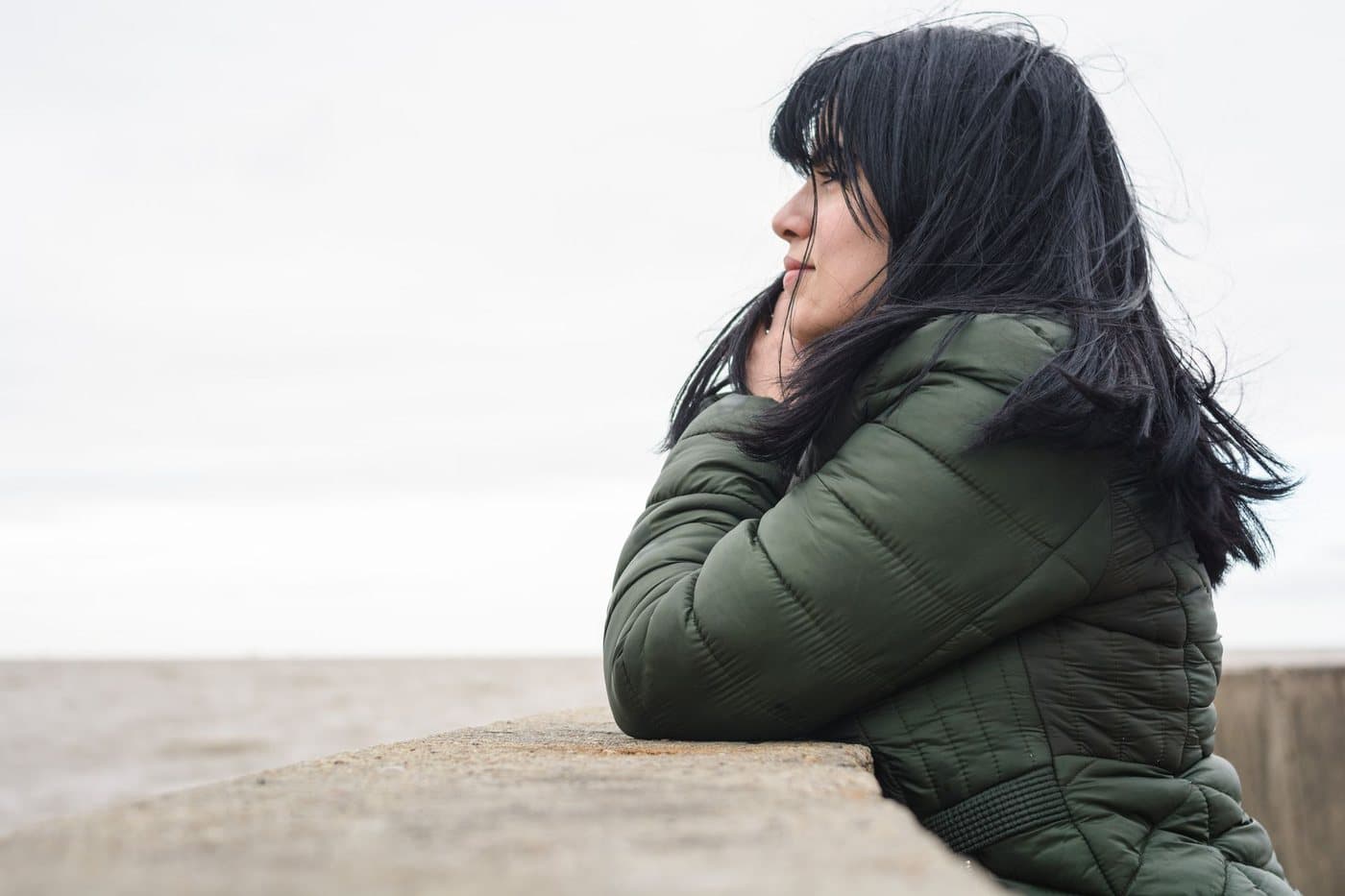
Healing doesn't mean forgetting what happened. It means learning how to move forward without feeling controlled by it.
If trauma continues to affect your daily life, relationships, or emotional well-being, a free 20-minute consultation is a low-pressure way to find out whether we're the right fit.
What we'll work on together
- Build safety and stability first
- Understand your body's protective responses
- Reduce hypervigilance and reactivity
- Process experiences at a manageable pace
- Improve sleep and emotional regulation
- Rebuild trust and connection
Who you’d work with
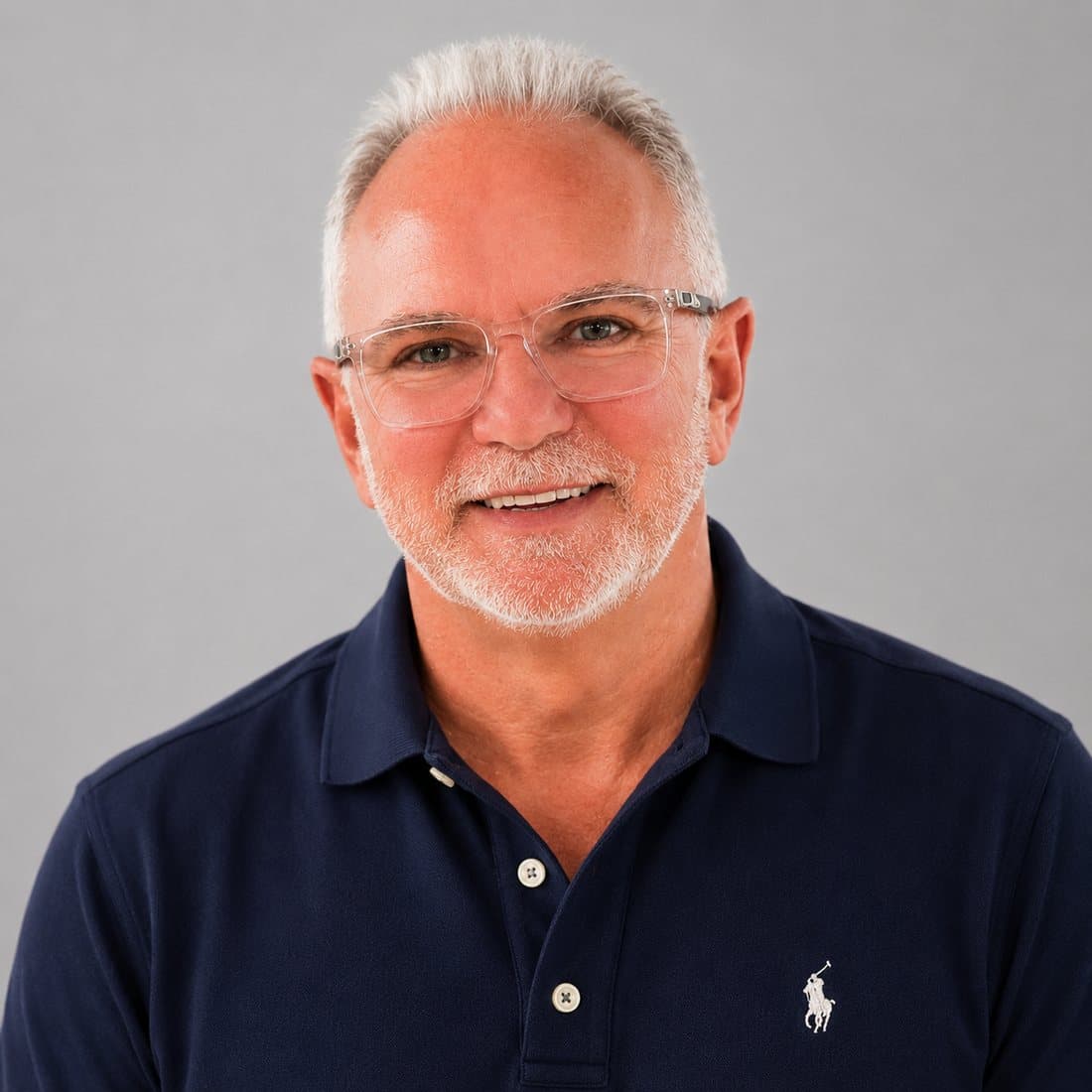
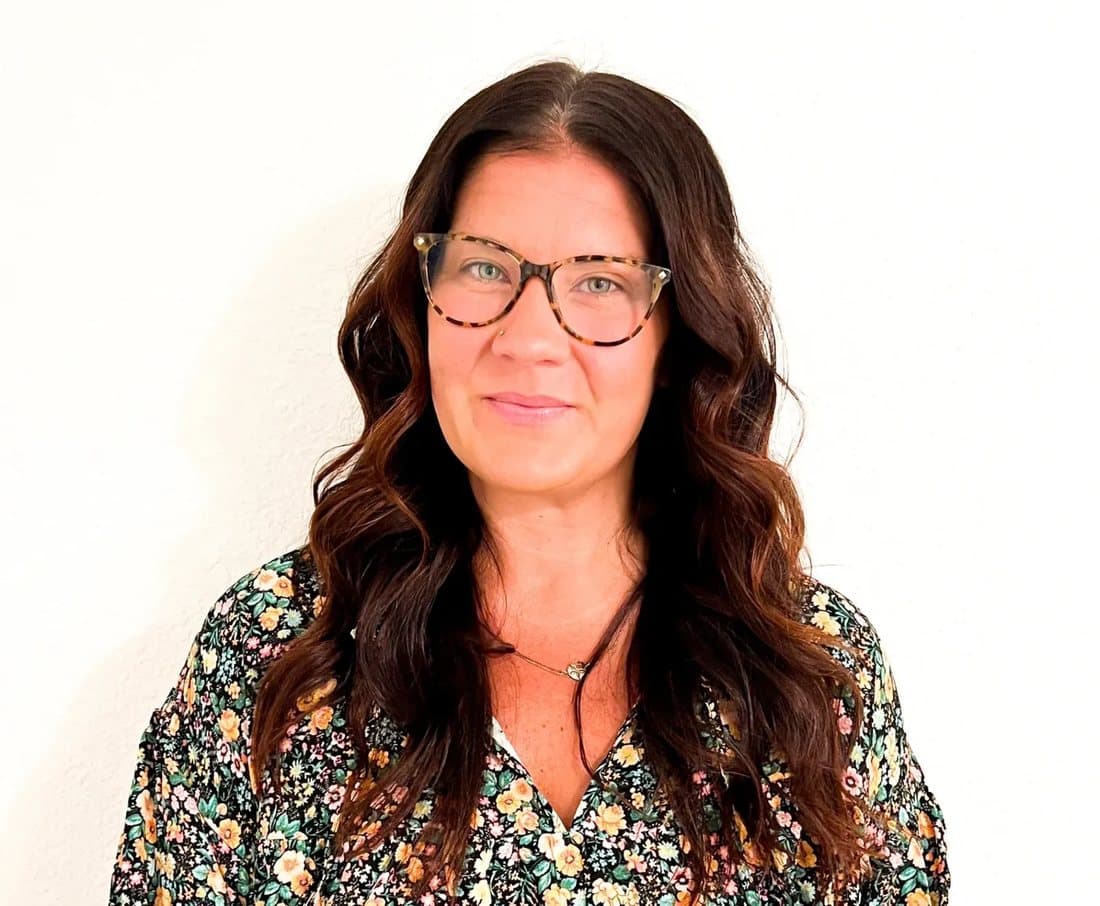
Trauma Counseling across Southwest Florida
Our Englewood office at 1460 S McCall Rd Ste 3D serves clients from Englewood, Venice, Port Charlotte, North Port, Rotonda West, Placida, Cape Haze and Manasota Key. Secure telehealth is available anywhere in Florida and Tennessee, so distance, weather and season never have to interrupt your care.
Trauma Counseling questions
How do I know if I need trauma counseling?
Will I have to talk about everything right away?
Can trauma counseling actually help?
What is the Cortina Method?
Counseling near you
Our Englewood office serves clients across Sarasota and Charlotte counties.


Start here
The first step is a 20-minute phone call.
No cost, no pressure. We'll talk about what's bringing you to counseling, what you're hoping will change, and whether we're the right fit. If we're not, we'll help you figure out who is.
- Office
- 1460 S McCall Rd Ste 3D, Englewood
- Hours
- Monday – Friday, 9 AM – 6 PM
- Telehealth
- Florida & Tennessee
- Insurance
- Medicare, Florida Blue, Aetna, Cigna & UnitedHealthcare